

Dokolo District has entered into a partnership with the Cecilia Atim Ogwal Foundation to roll out an ambitious greening project that will see at least 50,000 fruit trees planted in schools and communities as part of efforts to fight climate change, improve nutrition, and create new income opportunities.
The initiative, which has already attracted 48 schools across the district, is expected to transform the environmental outlook of Dokolo while helping schools become more sustainable through fruit production.
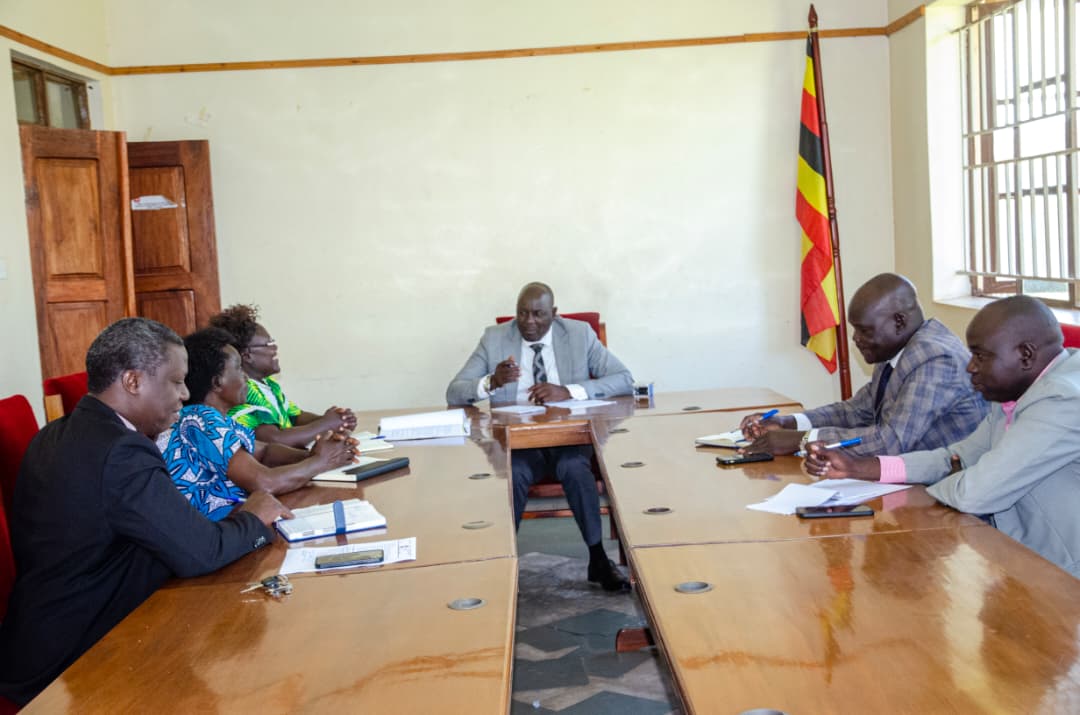
Speaking during a community engagement meeting with district leaders, technical officers, Dr Rosemary Alwoc Ogwal said the project builds on earlier environmental conservation efforts championed by the late former Dokolo Woman MP, Cecilia Atim Ogwal.
Dr Alwoc said the idea was revived after witnessing the devastating impact of climate change and flooding in several parts of Dokolo District.
“We were able to travel through most of the districts by road and I particularly remember driving to Bata Island. But if you go there now, it is almost like a lake that has cut off the road,” she said.
She recalled visiting flood-affected areas including Adok, Agwata, Kachung, Adeknino, and Kwera, where she met residents and local leaders to assess the extent of the destruction caused by rising water levels.
“I walked with the LC1 chairpersons and spoke to the victims. We gathered information and passed it on so that we could see how to bring about nature renewal,” she said.
According to Dr Alwoc, the greening project is intended to mitigate the negative effects of climate change through increased tree cover while also directly benefiting communities economically and nutritionally.
“A nature renewal programme is something that helps reduce the impact of climate change. If we have cleaner air and restore our environment, then we shall suffer less from pollution and flooding,” she noted.
Unlike many tree-planting campaigns that focus on forest species alone, the Dokolo initiative will prioritise fruit trees capable of supporting school feeding programmes and generating income.
“We thought let us not just bring trees, but trees that are going to feed our people,” Dr Alwoc said. “These are trees that will improve nutritional levels in schools, support children’s growth, and also create an income stream for schools.”
She said the foundation plans to spend at least Shs1billion procuring, training communities and transporting the seedlings, making sustainability a major priority.
“It is a huge project. Once we put these trees in the ground, they have to survive,” she said. “That is why environmental officers must first carry out surveys to ensure the selected areas are suitable and sustainable.”
Dr Alwoc added that the project’s long-term impact could eventually alter the environmental appearance of Dokolo District.
“If we put 50,000 trees in the ground, the geographical image of Dokolo is going to change, even on satellite images,” she said.
Beyond Dokolo, the initiative is also expected to contribute towards Uganda’s broader environmental commitments, including global targets aimed at increasing green cover in schools by 2030 and strengthening national carbon credit efforts.
“Every country should be able to demonstrate that at least half of its schools are green by 2030,” Dr Alwoc said. “This project is going to help Uganda make a significant step towards that objective.”
Dokolo District Chief Administrative Officer, Grandfiled Oryono, welcomed the partnership, describing it as timely for a district that continues to grapple with environmental degradation and limited resources.
“Service delivery is still a challenge because we are not yet a middle-income country,” Oryono said. “The revenue required to build infrastructure and sustain natural resources is still inadequate.”
He pledged the district’s commitment to work with the foundation and development partners to ensure the success of the programme.
“We have entered into an MOU, brief the council, agree on the structure of implementation, and carry out massive mobilisation together,” he said. “We must ensure the sustainability of this investment and ensure communities reap long-term benefits from it.”
The Resident District Commissioner for Dokolo District, Barbra Akech, also pledged government support for the project and called on extension workers to closely monitor schools participating in the programme.
“We shall support you 100 percent to ensure you succeed,” Akech said. “Extension workers must remain close to the schools and guide them because when this project succeeds, our people will get out of poverty.”
She said the project would not only improve the environment but also help address malnutrition among children.
“The fruits will help improve children’s nutrition, support their growth, and also teach young learners practical agricultural skills,” she said.
District leaders believe the initiative could become one of the largest school-based greening programmes in northern Uganda if successfully implemented.
